The Glossary of The Helen Doron Method by Billik Adam
21 Teaching techniques, methods of Helen Doron language school. terms
My name is Billik Adam, I am attending the course called Teacher Training of Teachers of English Language and Literature. I work as a beginner English Helen-Doron language teacher in Nitra. This glossary contains phrases from Helen Doron method teaching.
auditory learning
adjective + noun
Auditory learning, approach or way means that a student learns by listening.
Example: For example, we teach the sound of sheep called "baa". First, we say and explain that the word "baa" comes from sheep, then we will turn an mp3 file and ask children whether it is sound of sheep or some other animal.
en: 1. sluchové učenie 2. sluchový štýl
Augmented Reality
adjective + noun
Augmented reality is an interactive experience that combines real world and digital environment together.
Example: For example, we are going to use augmented reality experience by hovering our phone over a picture of kangaroo, so we will use this way to ask students what kangaroo is doing.
en: rozšírená realita
background hearing
adjective + noun
Background hearing is a term used when someone is doing one thing while listening to something else.
Example: For example, this learning case is when children are listening to audio/CDs while they are dressing, playing, going to sleep or travelling by car. In negative way, we can say that background hearing was in this child's case neglected, she did not listen to an audio at home and that is the reason she was slower than others.
en: počúvanie na pozadí
brain jogging
adjective + noun
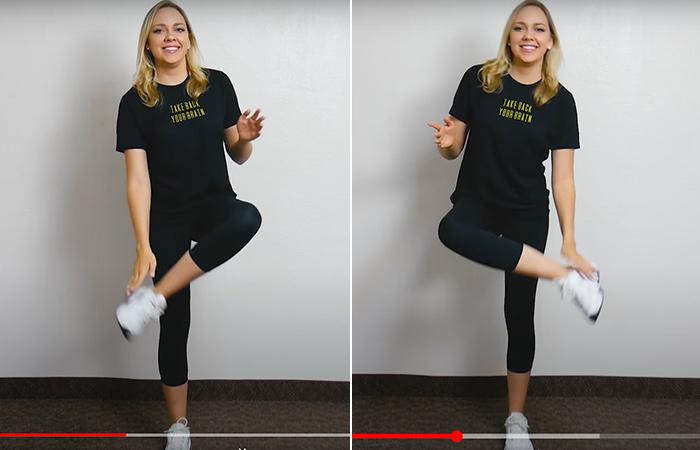
Brain jogging is a term used when our left and right brain are stimulated by physical activity, multitasking, and cognition. The movements can be crossing over our body mid line, but do not have to.
Example: For example, following brain jogging exercises consists of touching your left hand with right foot and right hand with left foot while saying steady phrase: "I love..." with changing answers that should be hobbies (skiing, taking photos, running)
en: mozgové bežanie
Bribery
noun
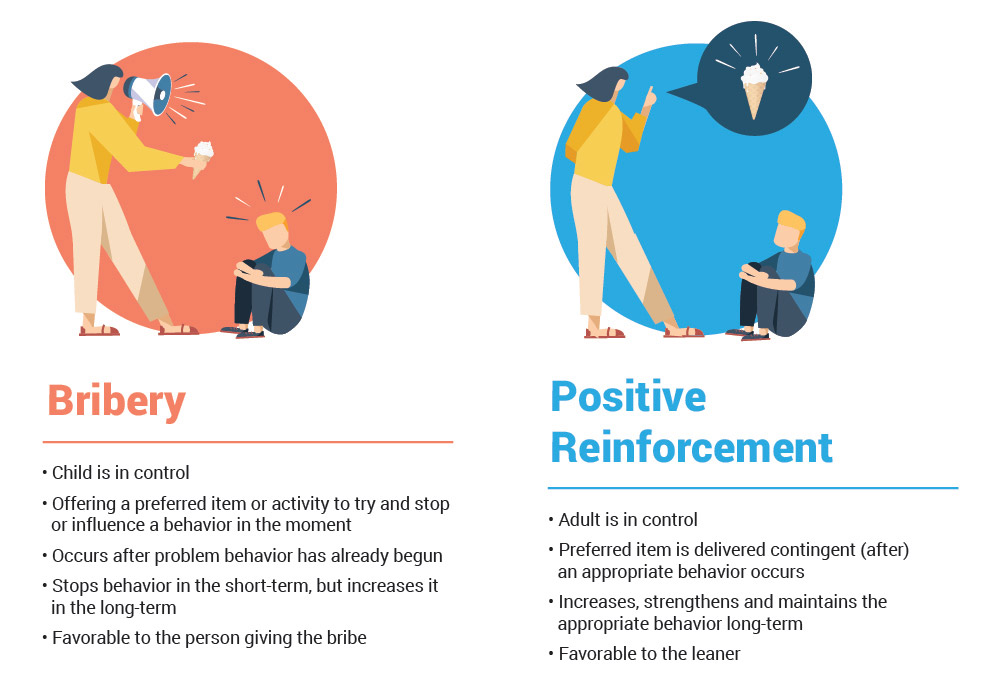
This type of bribery is mostly meant with child spirit, not with the legal or illegal one. Bribery is when we give, offer something to someone when some unwanted behaviour has begun to stop that behaviour. It is also called: "A quick fix".
Example: Adam gave a sweet to disobedient child. Now the child does not cry.
en: úplatkárstvo
game activity
adjective + noun
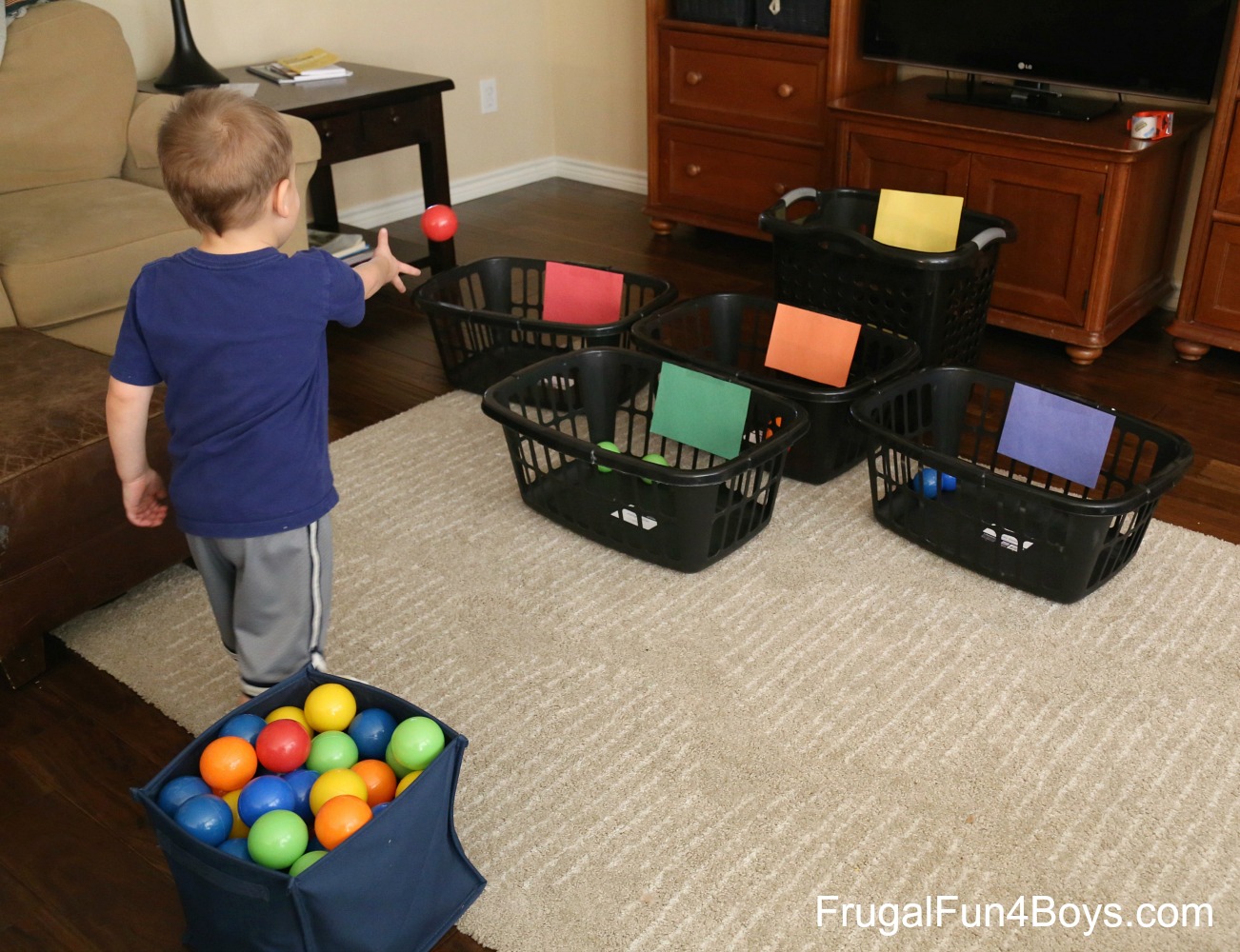
A game activity is an activity in which the teacher will let students to play according to some simple rules. Mostly done in teams.
Example: Students, which are divided into two teams (yellow team, which has to pick yellow balls and red team, which has to pick red balls) have to pick yellow balls and put them into yellow containers and red balls into red containers in some specific time. Team with most balls wins. (When children are playing, the number of balls should be same, and the time should be flexible, so each team will collect every ball, therefore we do not make sad any child.)
en: hracia aktivita
immersion system
adjective + noun
Immersion system is a system which takes you to be surrounded completely in the specific environment.
Example: Helen Doron education is an immersion system. The children are immersed in the language through hearing CDs/audio tracks twice daily.
en: ponorný systém
integrated approach
adjective
Integrated approach is when two or more things are combined to become more effective.
Example: Written words from this workbook are integrated into the animation. Therefore, this is integrated approach.
en: integrovaný postup
interactive activity
adjective + noun
Interactive activity is an activity in which teacher demands from students their participation by wanting from them their presence which involves most of the time their respond to an answer in any kind of form (verbal, nonverbal, mixed etc.)
Example: The teacher will ask students to put their chestnuts on the specific flashcard that he will tell, therefore he will integrate them during the lesson
en: zapájacia aktivita
kinaesthetic learning
adjective + noun
Kinaesthetic learning style is a learning style when students use their whole-body movement to process the answer.
Example: Students will have to run on the next side of the room with picture card to connect it to right word-card.
en: kinestetické učenie
left hemisphere
adjective + noun
The left hemisphere, also known as left brain, is a set of regions, parts in our brain on our left side. Our left hemisphere is responsible for logic thinking, thinking in words, for our practical and mathematics thinking.
Example: Today we are going to use mostly our left brain, so we are going to count math examples.
en: ľavá hemisféra
non-threating environment
adjective + noun
The non-threating environment is an environment in which there are no threating signs, fun and calmness are the spirits of this environment.
Example: We don't give children any marks, and we do not say "no", we are trying to use indirect way of saying "no" to show the wrong answer, therefore we create nonthreatening environment.
en: prostredie ktoré sa vyznačuje pohodou a kľudom, nie výstražnými znameniami
phonics approach
adjective + noun
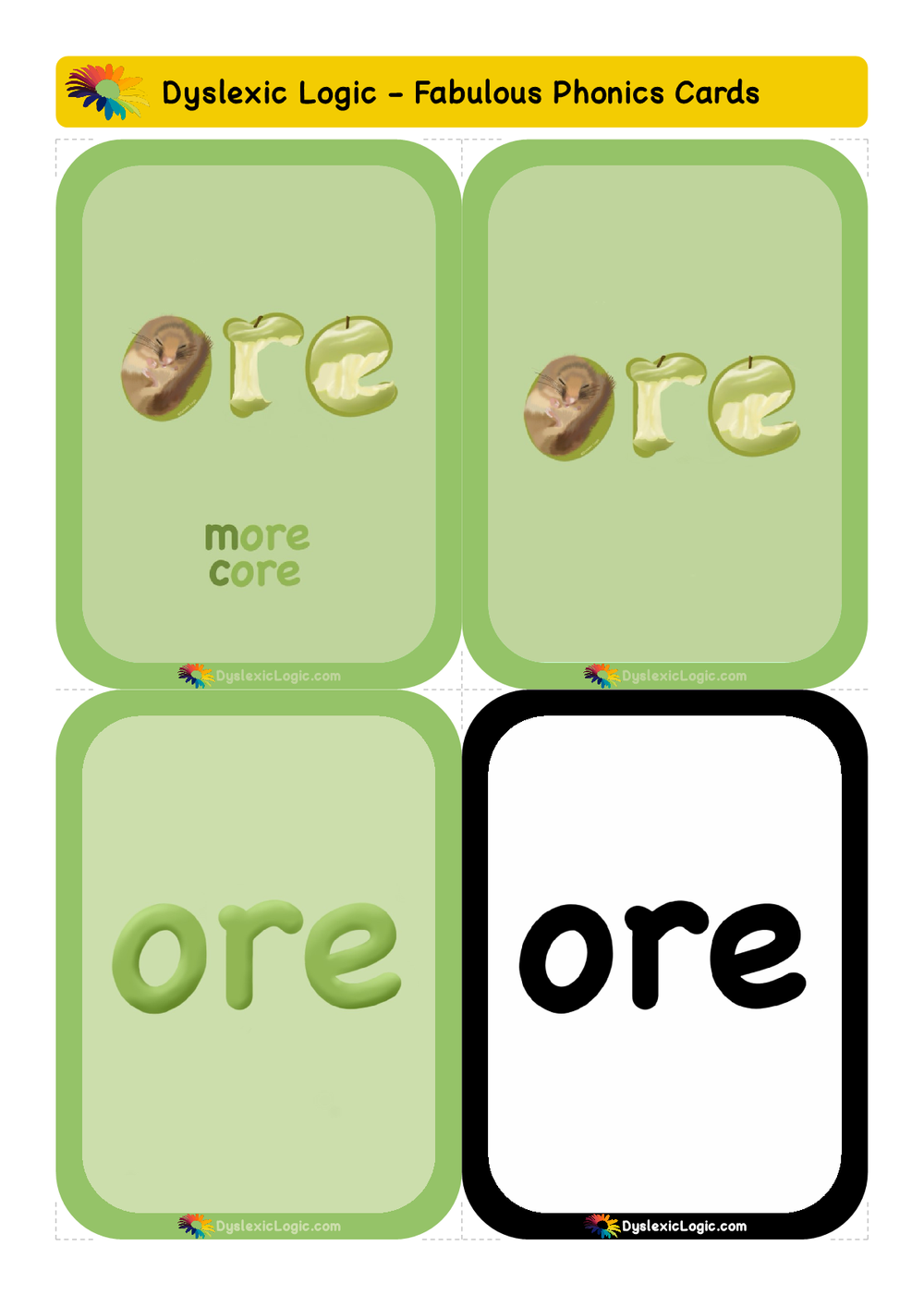
Phonics approach is an approach for children to be able to listen carefully and identify the phonemes that make up each word.
Example: Today we are going to use phonics approach. We are going to teach children that we do not say "e", but only /or/ at the end of these words which are written with ore: "core, store, sore, shore" by phonics cards.
en: fonický prístup
positive reinforcement
adjective + noun
Positive reinforcement is a reaction to somebody by encouraging him with positive words or by some reward after he did something correctly. This should create lasting effect in children's behaviour.
Example: You have just encouraged the student really well by saying "Good job!" after he answered correctly.
en: pozitívna odozva
presenting activity
adjective + noun
Presenting activity is an activity in which teacher is showing something to his students without need to have an activity, integration from them.
Example: First, I am going to present flashcards to students by showing and then by telling what they can see in each flashcard.
en: prezentovacia aktivita
right hemisphere
adjective + noun
The right hemisphere is a set of parts in our brain on our right side. Our right hemisphere is responsible for the processes of imagination, intuitive thinking, rhythm and daydreaming.
Example: Today we will improve our right hemisphere, we will draw using our imagination and intuitive thinking.
en: pravá hemisféra
sight approach
adjective + noun
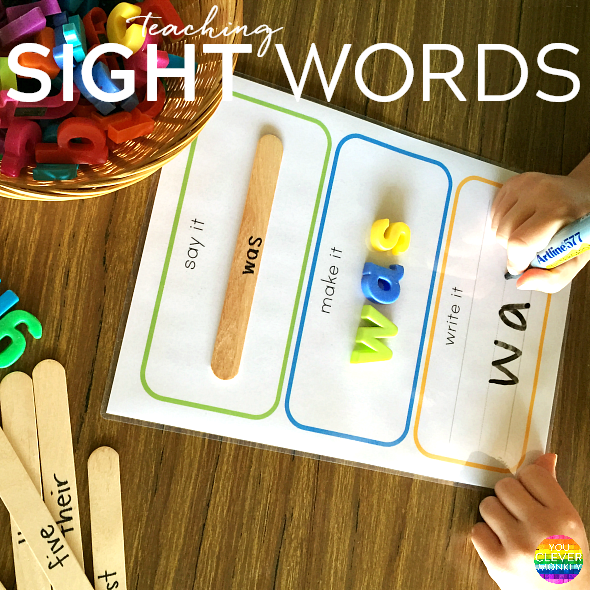
Sight approach specifically used while learning new words is an approach when a student can see words printed or created in some form.
Example: Look, I've just made the word "shore" on sand, and word "horse" with brown plasticine.
en: zrakový prístup
subconscious learning
adjective + noun
Subconscious learning is while we are learning without realizing, checking it, without paying 100% attention.
Example: Now students are learning subconsciously - they are listening to audio while they sleep.
en: podvedomé učenie sa
successful language acquisition
adjective + noun + noun
The successful language acquisition is acquisition of the language when the student acquires the language according to our expectations or study-plan.
Example: The successful language acquisition of this student is excellent. He learnt every word and phrases during the year really well.
en: úspešné osvojenie si jazyka
Synthetic learning
adjective + noun
Synthetic environment is environment which is mostly digital environment. In this learning case, the digital environment should contain the objects that students are learning.
Example: Today we will be using synthetic learning way through using the digital environment on our phones. We will be learning about animals on dessert.
en: syntetické prostredie
whole-word approach
adjective + adjective + noun
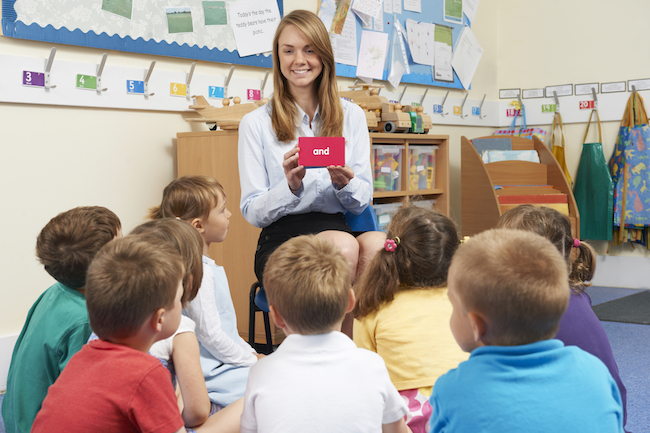
The whole-word approach is when kids are taught to read by sight using their memorization by repeated exposure to the written form of a word paired with an audio.
Example: We show the written word in a card and say it, then we encourage kids to say that word again, so we do not use phonics approach in this case.